Before you step outside
What you need to know
Visa: French (and most EU) nationals benefit from a 144-hour transit visa exemption in Shanghai (TWOV policy). In practice: fill in a few arrival forms at immigration, declare your onward flight, and you're free to explore. Make sure you have your connecting ticket and don't exceed the 144 hours. No visa application needed in advance.
Health: no mandatory vaccines are required to enter China from France. It's recommended to be up to date on hepatitis A, typhoid and tetanus/DTP. Shanghai is a modern, hygienic metropolis — no specific health concerns for a short stopover. For the rest of your trip through Asia, find all my health and vaccine recommendations in my complete pre-departure checklist.
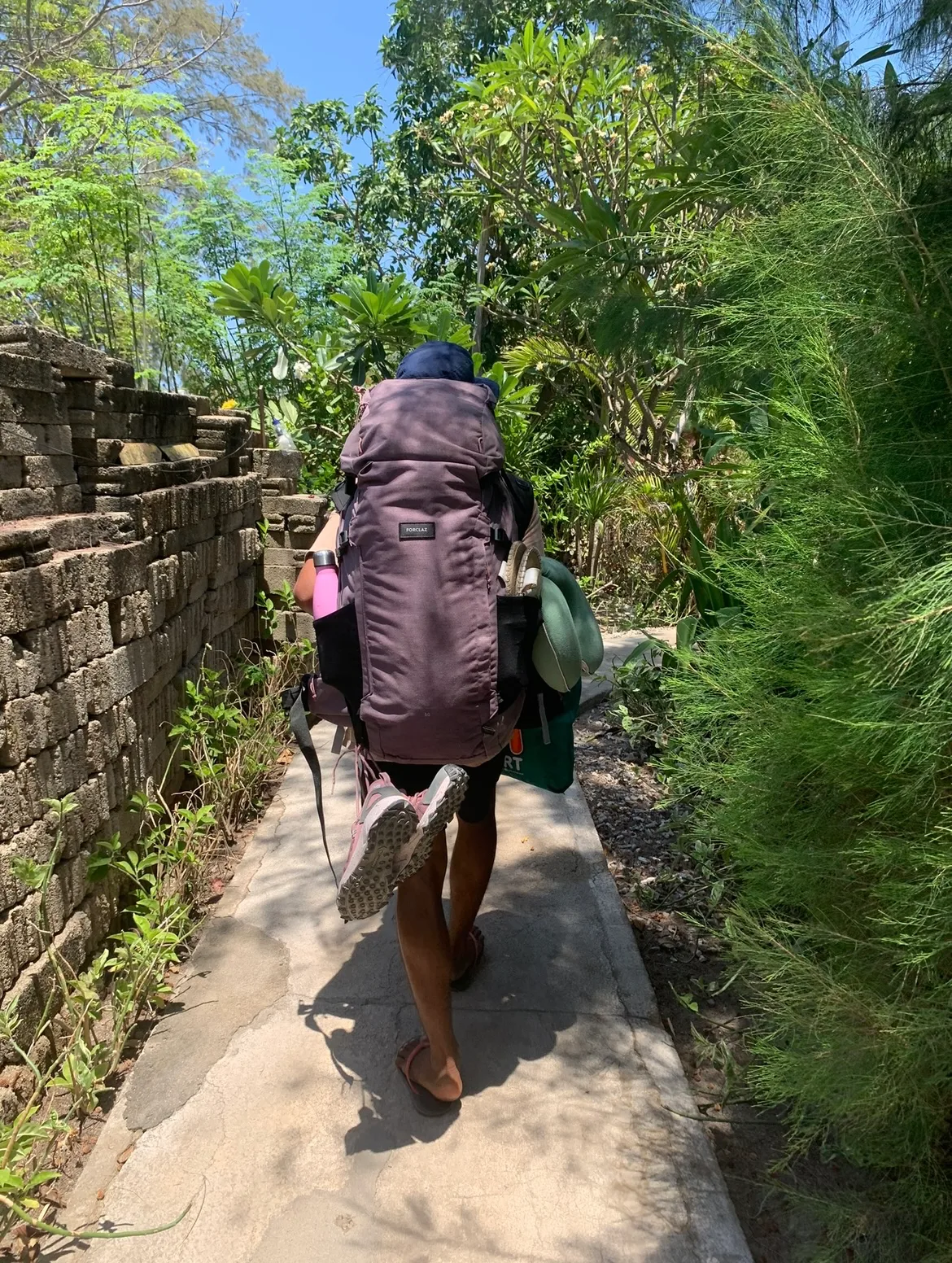
Bags: great news — your luggage stays checked through to your next flight. Travel light, it's perfect.
⚠️ Check the weather! This is the thing I completely forgot. I was heading to Australia with sun on my mind, and I stepped out in Shanghai into genuine cold. Always check the forecast before leaving the terminal and dress accordingly, especially for evenings by the Bund.
From the airport
The Maglev, the star of the journey
Before you even start sightseeing, you live a unique experience: the Maglev train. This magnetic levitation train connects Pudong International Airport to the city centre and reaches up to 431 km/h. The journey takes about 7 to 8 minutes. Yes, 7 minutes. It's an attraction in its own right.
The journey in detail:
🚄 Maglev: Pudong Airport (PVG) → Longyang Road (~¥50, ~€6)
🚇 Metro Line 2: Longyang Road → People's Square or Nanjing Road (20–30 min, ~¥4–6)
Shanghai's metro is remarkably well signed, everything is in English, people are friendly and helpful. Genuinely no reason to get lost.
Stop 1
Tianzifang, alleyways and street food
First stop: Tianzifang. A maze of narrow alleyways in the old French Concession, lined with artisan shops, cafés, galleries, and an incredible concentration of street food. It's lively, colourful, genuinely authentic, with decorated streets — really charming.
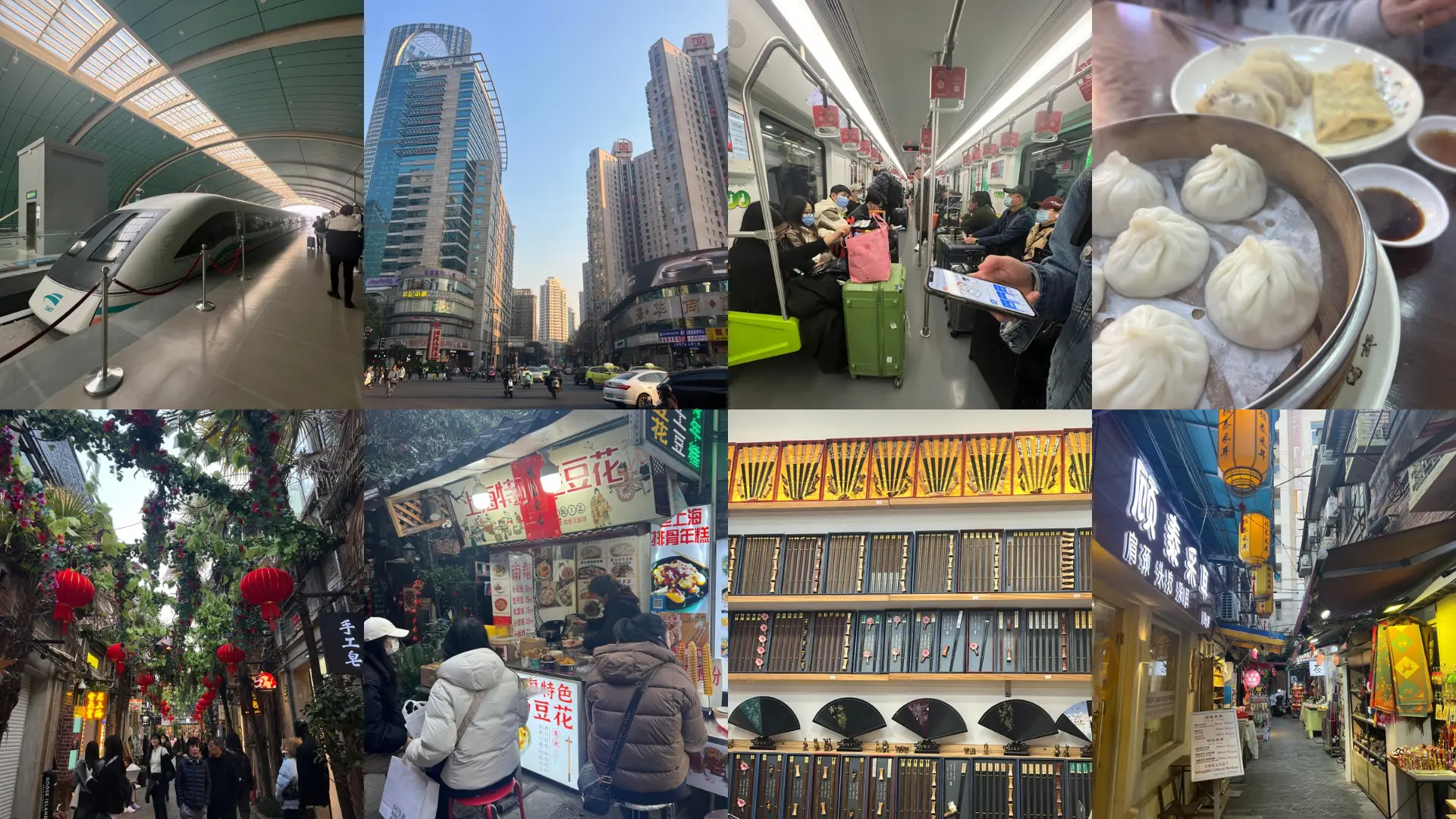
It's the perfect place to try Chinese specialities in small, local and authentic fast-food spots. Here's what you should order:
🥟 What to eat at Tianzifang:
Xiaolongbao — the iconic soup dumplings, an absolute Shanghai must
Shengjian bao — the pan-fried, crispy version of the dumpling
Jianbing — the Chinese morning crepe, thick and loaded
Dim sum — assorted steamed bites
Peking duck — if you want to treat yourself
Average spend: ¥30–60 for a solid meal (~€4–8)
Stop 2 · After dark
Old Street, my favourite moment
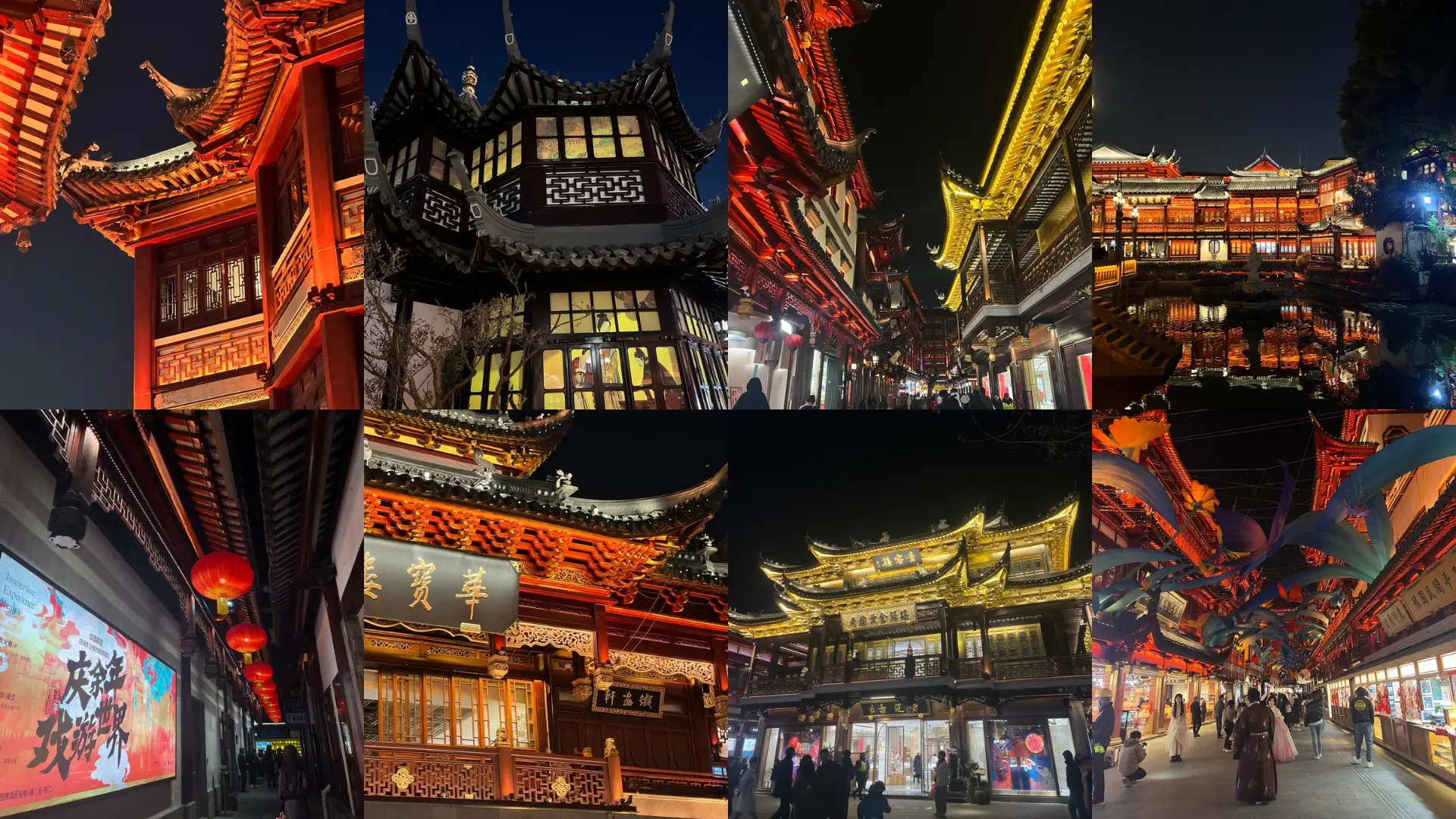
Once night falls, head to the old quarter of Shanghai by metro. And this is my absolute favourite memory from the whole layover. Old Street by night is something else entirely.
The architecture changes completely and you step into another world. Red lanterns everywhere, curved rooflines, temples tucked between buildings, facades centuries old. At night with the lights on, it genuinely feels like walking into a film. Wander freely, grab little things from the street stalls, take photos endlessly.
Along the way, you pass Yu Garden. It'll be closed if you arrive in the evening, but from outside you can still see the lake, the pavilions and the zigzag bridges surrounding it. With the lanterns and the reflections in the water, it's beautiful even from the street. The red, the light, the setting — one of the best memories of the whole trip.
💰 Old Street: free access, open walk · Yu Garden: closed in the evening but visible from outside
Stop 3
The Bund, the iconic view by night
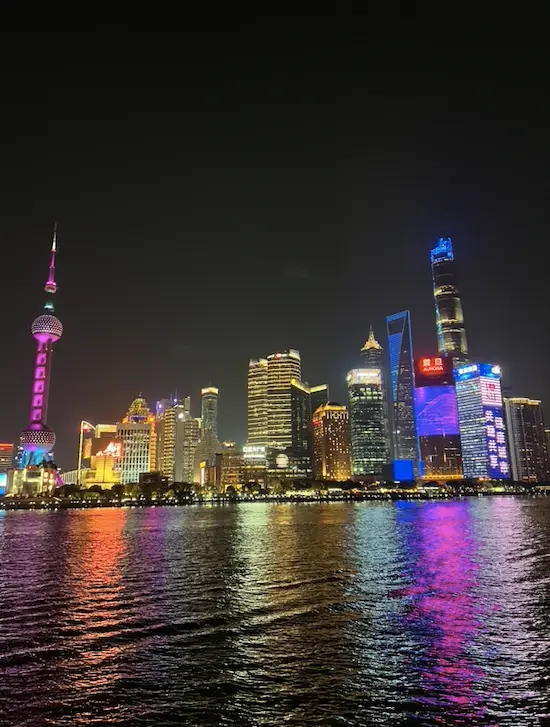
From Old Street, you can walk or take the metro to the Bund. It's the riverside promenade along the Huangpu River with the iconic view of Shanghai's modern skyline, including the Shanghai Tower (the second tallest building in the world) and the Oriental Pearl TV Tower with its illuminated spheres.
At night, all those lights reflecting off the river are genuinely magical. It's the photo everyone knows of Shanghai, and in person it's even more impressive. Take your time on the promenade and soak up the contrast between the historic Shanghai behind you and the ultra-modern Shanghai across the water.
💰 The Bund: free access, open pedestrian promenade · Watch the cold in the evening — it's noticeably chillier right by the water
The numbers
Budget recap for the layover
| Item | CNY | EUR |
|---|---|---|
| Maglev return | ~¥100 | ~€13 |
| Metro (several trips) | ~¥20–30 | ~€3–4 |
| Tianzifang street food meal | ~¥40–60 | ~€5–8 |
| Old Street & the Bund | Free | Free |
| Street snacks | ~¥20–30 | ~€3–4 |
| Estimated total | ~¥180–220 | ~€24–30 |
Shanghai is one of the cheapest layovers you can plan. The Maglev is the only real expense worth noting — everything else is very affordable. A full day for under €30 is unbeatable for one of the world's great metropolises.
My verdict: cheap, easy to get around, no visa, a genuine discovery. And above all, the old quarter at night, one of the most beautiful surprises of my entire trip. If you have a flight passing through Shanghai, get out of the airport.
🎒 Plan your trip: for everything on packing smart, finding the best flight prices (and choosing strategic layovers!), sorting admin, health and insurance before you go, check out my dedicated guides: my complete pre-departure checklist and what's in my backpack, tested for Asia.
Passing through Shanghai?
Questions about organising the layover? Drop me a message.